


Infinite Italian
4.758.00 Reviews
App Specs
- Version
- 4.6.0
- Updated On
- License
- Free
- Downloads
- 50,000+
- Developer
- Jernung
- Categories
- Educational
- Platform
- Android
Screenshots
 Analysis by AppCompare
Learning Italian is much easier to keep up with when the activity feels lighter than a traditional lesson. I found that Infinite Italian takes that approach seriously: it turns vocabulary practice into a small educational game built around interactive lessons, quizzes, and flashcards. I would not treat it as a complete Italian course, but I do see it as a friendly way to build a regular habit, especially when opening a textbook feels like too much effort.
The game is made by Jernung and is available free of charge, with optional in-app purchases priced at $6.99 per item. It is rated for Everyone, which fits its simple educational focus, and its current version is 4.6.0. The app has earned a 4.7 average from around 891 ratings and has passed 50K+ installs, so it has clearly found an audience among people looking for a casual route into Italian vocabulary.
How the learning experience feels in everyday use
I find the useful thing about this game is not simply that it makes vocabulary practice playful, but that it gives a short session a clear purpose: meet words, check what has stuck, and return to the ones that still need work. In the next section, I’ll focus on how that sequence can fit into an ordinary routine and how to make each quick visit more deliberate.
Readable lessons and a navigation style that stays approachable
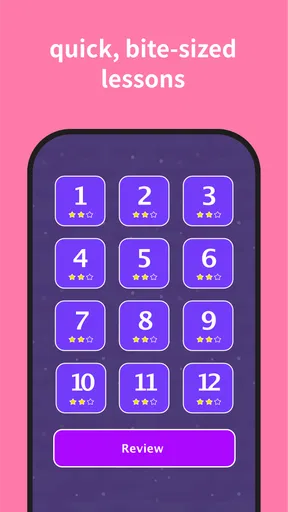
The first thing I noticed is that the experience is organized around short activities rather than long explanations. That matters because vocabulary learning often fails at the point where the learner has to decide what to do next. Here, the combination of lessons, quizzes, and flashcards gives the session a clear rhythm: encounter a word, test recognition, then revisit it.
I found this structure more approachable than a conventional reference app filled with menus and grammar categories. Someone who is starting from scratch can open the game with a simple goal in mind: spend a few minutes practicing words. The educational game format also makes it easier to return after a gap, because I do not need to reconstruct an elaborate study plan before beginning again.
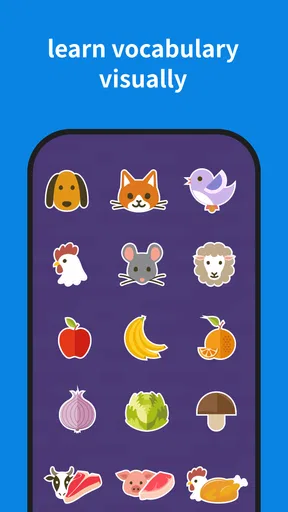
For readability, the main advantage is the focus on individual vocabulary tasks. Short prompts are generally easier to process than dense paragraphs, particularly for a learner who is still unfamiliar with Italian spelling. The flashcard format can also help people who prefer visual repetition over reading a full lesson explanation.
That simplicity has a trade-off. Learners who want detailed grammar notes, long examples, or a carefully explained progression may find the presentation too light. The app’s identity is vocabulary practice, not a replacement for a structured language textbook. I would use it to make words familiar, then turn to another resource when I needed deeper explanations about sentence construction or usage.
Worth Reading Before You Choose

EA SPORTS FC Mobile 26 Is a Bigger Football Game, but It Takes Time

Flipboard Shows What News Apps Must Do Beyond the Feed

Switching to Android Auto Means Rethinking Your Driving Routine

Google Calendar Makes a Crowded Week Easier to Manage

Ludo King Makes the Most of the Minutes Between Plans

Baby Panda World Brings Quick Play to Modern Phones, but Its Game Library Feels Busy
Why the game format can help memory
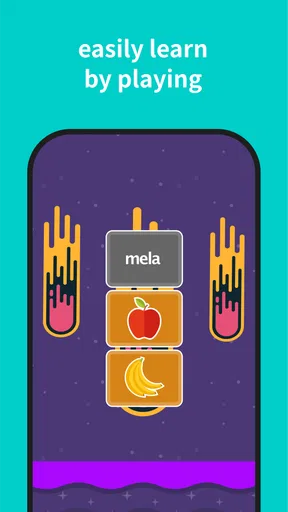
In my experience, a game creates a useful sense of momentum. A standard flashcard deck can become repetitive because every session feels identical. Infinite Italian adds quizzes and interactive lessons around the flashcard work, giving me more than one way to meet the same vocabulary. That change of activity helps prevent practice from feeling like a purely mechanical recall drill.
One practical way to use it is to separate recognition from recall. I would begin with the lesson material, move into a quiz without checking the answer too quickly, and finish with flashcards for the words that still feel uncertain. This makes the session more informative than simply tapping through everything at speed. A wrong answer becomes a signal about what deserves another pass rather than a reason to restart the whole activity.
Another useful habit is to stop while the session still feels manageable. Because the app is free to start and built for casual play, it is tempting to rush through a large amount of vocabulary in one sitting. I think shorter, repeated visits are more suitable here. The game works best as a daily companion, not as a one-night attempt to absorb an entire language.
Motor and sensory considerations
The game-like design can be helpful for people who prefer tapping through compact activities instead of writing answers by hand. That reduces the physical demand compared with notebook-based study, and it makes the app suitable for a quick practice session on a phone. The clear separation between lessons, quizzes, and flashcards also gives users a predictable pattern to follow.
At the same time, tapping is not automatically easy for everyone. A person with limited fine-motor control may find repeated selections tiring, especially during a longer session. I would recommend trying a brief activity first and paying attention to whether the pace feels comfortable. The free starting point makes that trial less risky than committing to a paid course immediately.
People with visual processing difficulties may appreciate the compact vocabulary focus, but the experience still depends on reading and distinguishing answer choices on a small screen. Someone who needs large text, strong contrast, audio-first instruction, or a highly customizable interface should check whether the app’s presentation suits them before making it their main study tool. I would not assume that an Everyone rating means every learner will experience the same level of comfort.
For users who become overwhelmed by busy games, this title may be calmer than a competitive language app because the goal is educational practice rather than social performance. However, anyone sensitive to rapid feedback, repeated visual changes, or game-like pressure should begin with the shortest available activity and use the app at a slower personal pace.
Using it in real situations
The strongest use case for me is the small gap in an ordinary day. Imagine waiting for an appointment or sitting on a train with a few spare minutes. Opening a full course can feel inconvenient, while a compact vocabulary game is easy to approach. I could complete a lesson, test a handful of terms, and stop without needing a desk, notebook, or long uninterrupted block of time.
It also works well as preparation for a specific personal goal. Before a trip to Italy, I would use the lessons and flashcards to build familiarity with everyday vocabulary, then add a separate resource for pronunciation, conversation, directions, and cultural context. For a student already taking a class, the game could serve as a low-pressure review tool between formal sessions.
Families may also find the Everyone rating reassuring, particularly when looking for an educational activity that does not depend on mature themes. Still, I would not hand it to a young learner and assume the game alone will teach effective communication. A child may enjoy the quiz format, but guidance from a parent or teacher can help connect isolated words with real objects, phrases, and conversations.
For adults with irregular schedules, the lack of a heavy setup is valuable. I can imagine using it after breakfast on one day, during a lunch break on another, and for a brief evening review later in the week. The important point is consistency rather than session length. The app lowers the barrier to starting, which is often more useful than a sophisticated course that I keep postponing.
Where it compares well with ordinary alternatives
Compared with paper flashcards, Infinite Italian feels more varied because the practice includes quizzes and interactive lessons instead of relying on one fixed deck. Compared with a conventional language textbook, it is quicker to enter and less demanding when I only have a few minutes. Compared with a broad language-learning platform, its narrower focus may feel less distracting for someone who mainly wants vocabulary repetition.
The comparison changes if the learner needs a complete curriculum. A textbook or classroom course is usually better for sustained grammar instruction, writing feedback, and a planned progression through complex language. A conversation-focused service is a better choice for practicing spontaneous speaking. A pronunciation tool may also be preferable for someone whose main concern is hearing and producing Italian accurately.
That is the central trade-off: this game makes vocabulary practice inviting, but it does not turn vocabulary into fluent conversation by itself. I would pair it with listening and speaking practice rather than expecting the quizzes to cover every skill. Used in that role, it fills a clear gap instead of being asked to do a job it was not designed to do.
Remaining barriers and points to consider
The free price makes experimentation easy, but optional purchases at $6.99 per item mean that the full experience may involve spending money depending on what the learner wants to access. I would start with the available free material and decide whether the practice style genuinely fits my routine before buying anything. The purchase model is worth considering for families or learners comparing the total cost with a one-time book or a subscription-based course.
The app requires Android 7.0 or later, so compatibility should be checked on an older device before planning a long study routine around it. That is a practical issue rather than a learning weakness, but it can matter for people who use an older phone specifically to keep costs down.
Another limitation is the risk of confusing recognition with mastery. A learner may become good at choosing the right answer in a familiar quiz while still struggling to produce the word independently. My solution would be to pause after a difficult item and say the Italian word aloud, write it in a notebook, or use it in a simple sentence. The app supplies useful repetition, but I need to add active production myself.
There is also a situational barrier for people who study in noisy places or who cannot comfortably look at a phone for extended periods. A vocabulary game is convenient, but it is still screen-based practice. In those circumstances, printed cards, audio lessons, or a teacher-led activity may be more practical. I would not force this format into every context just because it is portable.
Learners who need accessibility tools should judge the actual interface on their own device rather than relying on the age rating. Screen size, text scaling, touch accuracy, and personal sensitivity to visual presentation can change the experience considerably. The most inclusive approach is to test a short session, adjust the phone’s own settings where possible, and keep an alternative study method available.
Who I would recommend it to
I would recommend it to beginners who want a gentle entry into Italian vocabulary, travelers preparing basic word recognition, students looking for extra repetition, and casual learners who are more likely to practice when the activity feels like a game. It is especially suitable for people who struggle to maintain a routine with dense courses. The combination of lessons, quizzes, and flashcards gives enough variation to make repeated practice feel less monotonous.
I would also recommend it to someone who wants to test whether Italian study can fit into daily life before paying for a larger program. Since the game is free to begin, I can evaluate its pace and presentation without making an immediate commitment. If I enjoy the workflow, an optional purchase may make sense; if I do not, I have learned that a different format would suit me better.
I would skip it as a primary resource if my immediate goal were fluent conversation, detailed grammar mastery, formal writing, or pronunciation correction. In those cases, I would choose a course or teacher that directly supports those skills and use this game only as a vocabulary supplement. I would also look elsewhere if I needed extensive customization for visual, motor, or sensory needs and the interface did not feel comfortable during the initial trial.
My inclusive verdict
What I like most about Infinite Italian is that it respects the reality of inconsistent motivation. It does not require me to feel like a serious student every time I open it. A short game session can still move vocabulary forward, and the mix of quizzes and flashcards gives me a practical way to revisit words without opening a full course.
Its inclusive value comes from that low-pressure entry point, its Everyone rating, and its suitability for different everyday contexts. It can support a learner who prefers small steps, visual repetition, and predictable activities. It is less convincing for anyone who needs a complete language system, extensive accessibility customization, or practice that centers on speaking rather than recognition.
My advice is to use it deliberately: begin with short sessions, repeat difficult words instead of racing through them, and add writing, listening, and conversation practice outside the game. That workflow turns a simple educational title into a useful part of a broader routine. For accessible, low-commitment vocabulary practice, I think it is worth trying; for full Italian fluency, it should be one tool among several.
Pros
- Clear lessons make Italian grammar easier to understand.
- Useful vocabulary focuses on practical
- everyday situations.
- Audio exercises help improve pronunciation and listening skills.
- Progress tracking makes it easy to monitor your learning routine.
- Suitable for beginners who want a structured introduction to Italian.
Cons
- Some advanced learners may find the content too basic.
- Certain features may require a paid subscription.
- Practice activities can become repetitive over time.
- The app may offer limited opportunities for real conversations.
- An internet connection may be needed for some lessons and audio.
FAQs for Infinite Italian
What is Infinite Italian, and how does it help beginners learn the language?
Infinite Italian is a vocabulary-learning game designed to introduce beginners to common Italian words and phrases through short, interactive activities. Instead of relying only on written exercises, it uses visual prompts, repetition, and simple challenges to make practice feel more like a game. It is particularly useful for learning everyday vocabulary, although it should be combined with grammar and conversation practice for broader fluency.
Is Infinite Italian suitable for children and complete beginners?
Yes, Infinite Italian is generally aimed at learners who are starting from the basics, including children and adults with little or no previous knowledge of Italian. The game-based format is easy to understand, and the visual approach can make it less intimidating than a traditional language course. Parents should still review the app’s current age rating and device settings before allowing younger children to use it.
Does Infinite Italian work without an internet connection?
Many language-learning games are designed to support practice while traveling or when mobile data is unavailable, but offline access can depend on the version of Infinite Italian, the device, and whether all required content has been downloaded first. It is best to open the app once while connected to Wi-Fi and test the lessons you plan to use offline before relying on it during a trip.
Does Infinite Italian teach grammar, pronunciation, and conversation?
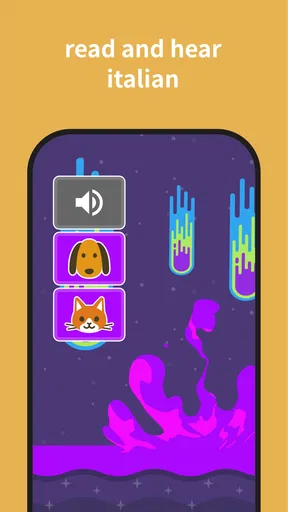
Infinite Italian is most effective as a vocabulary practice tool rather than a complete Italian course. It can help users recognize and remember words, and audio features may provide useful exposure to pronunciation, depending on the available version. However, users looking for detailed grammar explanations, extended speaking exercises, writing practice, or realistic conversations will likely need to supplement it with another learning app, course, or native-speaker practice.
Is Infinite Italian free to download, and are there in-app purchases?
The app may be available to download for free, but some lessons, features, or additional content can be restricted behind in-app purchases, depending on the platform and current release. Before downloading, check the Google Play Store or Apple App Store listing for the latest pricing, subscription details, advertisements, and purchase requirements. If children will use the app, parental purchase controls are recommended.


